
What Is a Thrift Savings Plan (TSP) for Federal Employees?

Federal retirement is one of the most important benefits of being a federal employee. Yet sometimes, understanding the technicalities around retirement can be tough. Today, we’ll talk about the federal Thrift Savings Plan (TSP). We’ll begin with a basic rundown of the TSP itself. We’ll then examine its role in providing you with a safe […]
Is Nepotism Illegal in the Federal Workplace?

The word “nepotism” refers to favorable treatment towards an individual in the workplace because of their familial connection. Few people know what nepotism looks like, and even fewer know about the legality of nepotism in the federal workplace. This is completely understandable, given that nepotism is not as well-known as race or age discrimination. Nonetheless, […]
Parental Status Discrimination in the Federal Government

Parental discrimination in the workplace is less common than most other forms of discrimination. It was only definitively banned in 2000 when then-President Bill Clinton signed Executive Order 13152. Despite that ban, parental status discrimination continues to occur. Moreover, parental status discrimination also frequently comes with pregnancy discrimination—so it’s prudent to educate yourself on its […]
How to Prove Wrongful Demotion As A Federal Employee

If you have suffered an unfair demotion at work, then a wrongful demotion lawsuit will be your best bet for clearing your name and getting your career back on track. But before you begin your lawsuit, it’s vital to know how to prove your claims. As Sun Tzu once wrote, “Victorious warriors win first and […]
PTSD Reasonable Accommodations for Federal Employees

Once called “shell shock” or “battle fatigue” because of its association with the trauma of military combat, post-traumatic stress disorder (PTSD) has emerged as a growing mental health issue across the country. Statistics from the National Institutes of Health suggest that almost 4% of the U.S. adult population grappled with PTSD within the last year. […]
What Is FERS Immediate Retirement Fund?
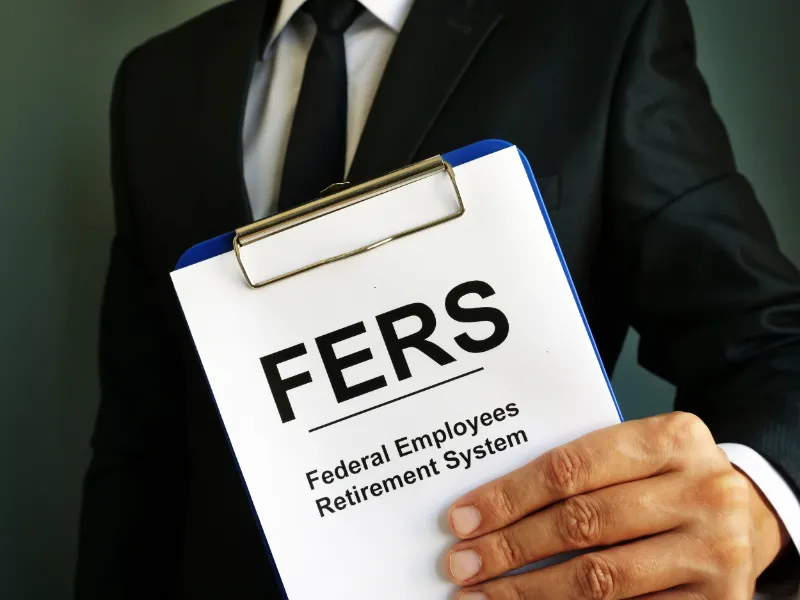
The Federal Employee Retirement System (FERS) is the primary retirement system for federal employees. Federal employees under FERS have several retirement options, including disability retirement, early retirement, and immediate retirement. In this piece, we’ll explore FERS immediate retirement in greater depth. Specifically, we’ll discuss the immediate retirement fund and how to fill out the required […]
Understanding Religious Discrimination in the Federal Workplace

Religious freedom is one of the greatest liberties in American society. Thanks to the First Amendment and the Civil Rights Act of 1964, Americans may practice their religious belief (or non-belief) without fear of religious discrimination in the workplace. Consequently, if you think you are experiencing religious discrimination, you should contact a federal employment attorney […]
What Is Quid Pro Quo Sexual Harassment for Federal Employees?

Federal law recognizes several kinds of sexual harassment. One category encompasses comments and behavior that target a person because of their sex. Another type involves unsolicited or unwanted sexual advances. In this article, we’ll zero in on quid pro quo sexual harassment, which is when someone at work offers you something in return for doing […]
Filing an EEOC Complaint of Racial Discrimination

Racial discrimination in the workplace is still shockingly common. Federal employees submit between 20,000 and 40,000 complaints of racial discrimination every year. Countless more incidents of racial complaints either resolve at an informal level or go completely unreported. As a result, every federal employee must know what racial discrimination is. In addition, they also need […]
Federal Employee Performance Improvement Plan (PIP)

Just like their private-sector counterparts, federal employees must meet performance standards. When federal employees fail to meet their performance standards, it can cost them their careers. Unlike most private-sector employers, the government cannot simply fire federal employees when they begin to perform poorly. Instead, management must place the employee on a performance improvement plan (PIP). […]