
- Consultations
Jun 20, 2025 | By Aaron D. Wersing | Read Time: 4 minutes

Obtaining and maintaining a security clearance is necessary for most federal positions.
If you are a current federal employee, losing your security clearance is the easiest way to lose your federal career entirely.
And for those who are applying to the federal service, having several public trust clearance disqualifiers on your record can torpedo even the most promising CV.
As the old saying goes, “a penny of prevention is worth a pound of cure.” Taking a few moments now to understand how security clearances can be threatened may provide you with vital information later on.
We’ll explore the four most common reasons security clearances get denied or revoked so you can succeed where others have failed.
For those who have already made some of these mistakes, we will also touch on how you can mitigate their effects.
If your employer is threatening to take away or revoke your security clearance, do not wait. Our firm proudly offers services to federal employees nationwide. Contact a federal employment lawyer immediately.
Drug use has consistently been the most common reason for security clearance revocation or denial.
The federal government has enforced a “zero tolerance” workplace drug policy since the 1980s, regardless of state-level drug legalization.
In the past few years, many federal employees have lost their security clearances for using marijuana even though doing so was perfectly legal in the state they were working in.
Several specific drug-related conditions that can cost you your security clearance include:
There are a few ways you can mitigate drug involvement issues:
You can also help mitigate a drug involvement issue by collecting positive character references from friends, former coworkers, and others who know you well.
A qualified employment attorney can also help you manage drug-related security clearance issues.
The government’s definition of “personal conduct” is any general conduct involving “questionable judgment, untrustworthiness, unreliability, lack of candor, dishonesty, or unwillingness to comply with rules” that could indicate a person might not protect classified information.
Provide honest and complete information to avoid disqualification from the application process.
This is a broad definition that encompasses many different types of conduct and behavior. Some examples of concerning personal conduct include:
You can mitigate these concerns by showing that:
Of course, cooperating fully with security clearance personnel from the beginning is the best way to avoid running afoul of the personal conduct rule.
If you are concerned about how to answer certain questions on a security clearance form, you should consider consulting with an attorney before submitting your responses.
For this category, the government is concerned about people who have made questionable financial decisions, obtained money from unknown sources, or who are desperate for money.
More specific conditions that may endanger your security clearance include:
It’s also important to disclose all of your sources of income, especially if you have a nice car and house.
Otherwise, the government may suspect you derive some of your income from unethical or criminal enterprises.
A major concern for the government is ensuring that all federal employees are only loyal to the United States.
Dual citizenship or other factors which suggest allegiance to another country are problematic for obtaining a security clearance. You may have your security clearance revoked if you:
To mitigate these issues, you can:
Finally, make sure that any connections you have with citizens of other countries are casual and infrequent.
Security clearance rejections are rare, with only 2–5% of applications denied annually by the U.S. Department of Defense and other federal agencies.
Congress passed the Social Security Fairness Act in late 2024, repealing the WEP and GPO entirely. Individuals affected by these provisions will have their full Social Security benefits restored.
At the Federal Employment Law Firm of Aaron D. Wersing PLLC, we are passionate about defending your rights as a federal employee, and we are committed to maximizing your chances of having a successful and productive federal career.
We can represent you at every stage of the security clearance process and will go to great lengths to collect evidence that shows you are worthy of a security clearance.
Over the years, we’ve represented countless federal employees in security clearance cases. Thanks to our services, many people have been able to save their security clearance.
We have also helped people with checkered pasts meet the requirements for a secret security clearance.
Although many people worry about the costs of hiring a lawyer, we do not want to let money prevent you from protecting your future.
Reach out to us today by calling 866-298-1488 or online for help with your federal employment security clearance issues.
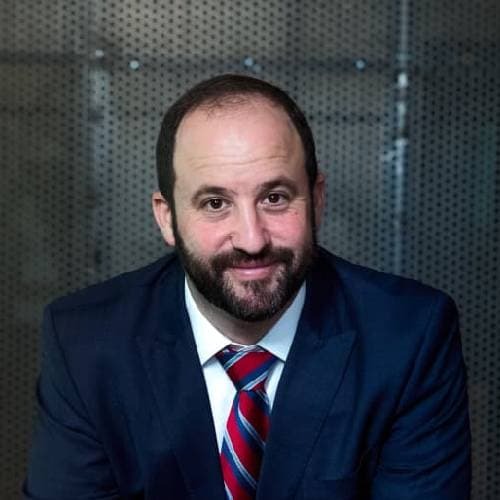
Aaron Wersing is the founder of the Law Office of Aaron D. Wersing. Mr. Wersing graduated from the Georgia State University College of Law with a Doctorate in Jurisprudence and was the recipient of the CALI Excellence for the Future Award. Mr. Wersing previously attended the University of Georgia, where he received a Bachelor of Business Administration degree in Accounting. Mr. Wersing is an active member of his local community. Mr. Wersing acts as a volunteer attorney with Houston Volunteer Lawyers, the pro bono legal aid organization of the Houston Bar Association. He is also a member of professional legal organizations such as the National Employment Lawyers Association and the American Inns of Court. To reach Aaron for a consultation, please call him at (866) 576-6349.